
Is It Possible for a Seller to Refuse a Final Walkthrough? Understanding Your Rights Before a Home Closing
Introduction to the Home Buying Process
The home buying process is an exciting journey, but it can also feel overwhelming with all the steps involved. One of the most crucial steps is the final walk through, which ensures that the property you're about to purchase is in the same condition as when you first agreed to buy it. This final walk through gives buyers the chance to confirm that all agreed upon repairs have been completed and that everything in the home is in proper working order.
Your purchase agreement typically includes a clause that allows you to conduct a final walk through before closing. This is your opportunity to inspect the property one last time and make sure there are no surprises. Working with a knowledgeable real estate agent is essential during this stage of the home buying process. Your agent will guide you through the walk through inspection, help you verify that the seller has met all their obligations, and ensure your best interests are protected as you move toward closing. By taking this crucial step seriously, you can feel confident that your new property is ready for you to call home.
The Final Walk in Your Home-buying Process!
When you're buying a home, the journey doesn't end when you sign the paperwork. Before your closing date, it's customary to do a final walk through inspection of the property. A final walkthrough is a vital step to ensure that buyers receive the home exactly as agreed upon in the purchase contract. This inspection allows buyers to verify that the property's condition matches what was promised and that no unexpected issues have arisen before closing. Despite its importance, some buyers skip this step, which can result in unforeseen problems after the sale is finalized. However, some buyers fail to conduct a final walk-through before closing, which can lead to unexpected issues after the transaction is complete.
During the walkthrough, it is important to confirm the completion of all requirements of the sale. This includes confirming that the seller has fulfilled all the repairs or improvements that were promised prior to closing. It is also crucial to verify that the property matches the conditions the buyer agreed to in the purchase contract.
Additionally, it is important to check that anything the seller had previously agreed to leave behind is there.
If something isn't right, buyers should have their REALTOR® communicate with the seller to resolve the issue before finalizing the sale.
When Does a Final Walkthrough Happen?
The final walkthrough happens normally within 24 hours of closing. Ideally, the walkthrough should be scheduled as close as possible to the closing day and closing time to ensure all conditions and repairs have been addressed. This gives the buyer an opportunity to inspect the property one last time before taking ownership.
It also provides assurance that the seller completes any repairs and that their belongings are out of the house. The final walkthrough ensures the property is in the same condition as when the offer was made.
Who Attends the Walkthrough Before Closing?
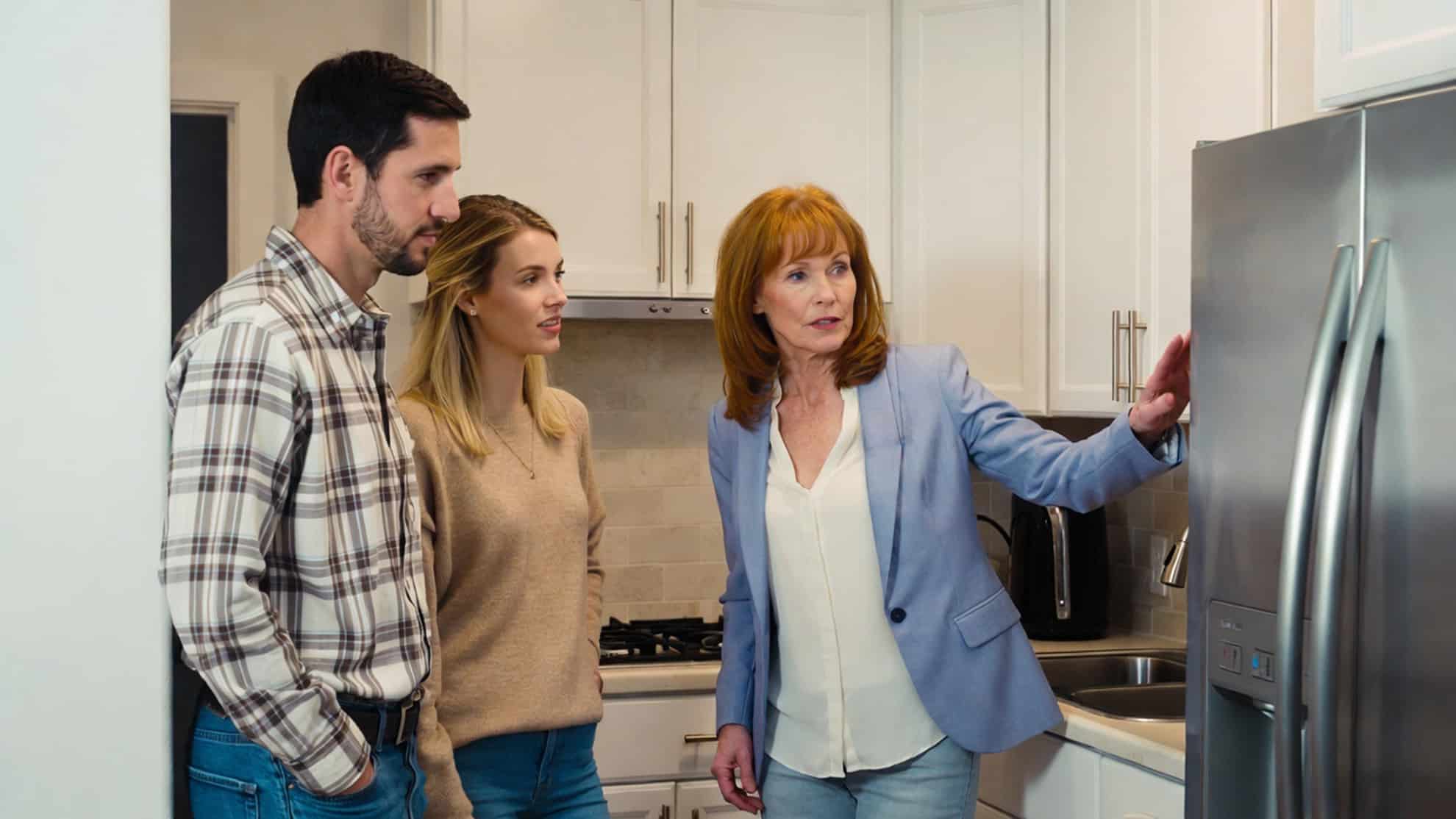
Typically, both the buyer and their REALTOR® attend the final walkthrough to ensure that everything is as expected and that no changes have occurred since previous visits. The seller's agent may be present as well, ready to address any concerns or questions that may come up during the inspection.
The buyer's lender may also attend in some situations. Additionally, buyers often bring family members, home inspectors (to confirm agreed upon repairs have been made), or other trusted individuals to provide extra support and a fresh perspective on this important day.
You Will Go Through the Final Walkthrough With Your REALTOR® or Real Estate Agent
Your REALTOR® will guide you through the final walkthrough process, addressing any questions or concerns you might have about what to inspect during this important step. They offer expert guidance to ensure that all contractual obligations are fulfilled by both parties before you close on your new home. Additionally, buyers may choose to consult a real estate attorney to better understand their legal rights and options should any issues arise during the walkthrough.
How Long Does a Final Walkthrough Take?
Depending on the size of the home, a typical final walk through usually lasts between one and two hours. Once completed, your REALTOR® will verify with both the buyer and seller that all contractual obligations have been satisfied and will formally acknowledge this before accompanying you out of the property and proceeding to the closing.
What Can Buyers Request at a Final Walkthrough Before Closing?
At a minimum, home buyers should verify that the seller has properly completed all previously agreed-upon repairs according to the contract specifications. It is essential to check that key structural systems, including HVAC, plumbing, and electrical outlets, are functioning correctly. Buyers should also confirm that light switches operate as expected and that paint colors match those outlined in the agreement, if applicable. Additionally, appliances such as the refrigerator, stove, washer, and garbage disposal should be tested to ensure they are in working order. Walls, floors, and ceilings should be inspected for any new damage that may have occurred since prior inspections, whether from current occupants or previous owners.. When checking walls, buyers should also look for small imperfections like nail holes, as these could indicate larger issues or damage. Buyers should refer to the purchase contract to ensure all agreed-upon terms are met. Any issues discovered during the walkthrough could result in additional cost for repairs, which may impact the closing process.
Additionally, buyers should pay close attention to any indications of water damage, as unnoticed issues could lead to significant problems in the future.
Lastly, it's important for buyers to confirm that the seller has removed all personal belongings and furniture from the property, and that any items agreed to be included with the sale remain in place. This helps prevent any unexpected surprises when it's time to move in!
Cleaning and Condition at Final Walkthrough
It is generally expected that sellers leave the home clean at the time of closing. This includes vacuuming carpets, wiping down all surfaces such as those in bathrooms, mopping floors where needed, cleaning windows, and removing all trash from inside the property.The walk through inspection allows the buyer to ensure that the property is in the expected condition, confirm that any agreed-upon repairs have been made, and protect their interests by identifying any issues that may have arisen since making the offer. The seller is legally responsible for fixing any appliances or systems that break between mutual acceptance and closing.
Checking Heating and Air Conditioning in the Final Walkthrough
The final walkthrough is essential to confirm that the HVAC system remains fully operational since the initial home inspection. Buyers should thoroughly inspect the heating and air conditioning units to ensure all components are functioning properly and look for any signs of damage or issues that might have arisen.
It is also essential to check that all air filters are properly installed, as missing filters can reduce airflow and cause the heating and air conditioning system to work less efficiently.
Lastly, buyers should carefully verify that all items promised in the purchase agreement to remain with the property are still present before finalizing the purchase of their new home.
Seller's Obligations
Sellers have important responsibilities throughout the home buying process, especially as the transaction moves toward closing. One of the key obligations is to ensure that the property remains in the same condition as when the buyer made the offer. This means the seller must complete all agreed upon repairs and maintain the home until the closing date. The purchase contract outlines these requirements, and both the seller and their agent are expected to uphold them.
If a seller refuses to allow a final walk through, it can create complications for the buyer. In such cases, it's wise for the buyer to consult with a real estate attorney to understand their rights and options. The seller's agent should be notified immediately of any concerns, giving the seller a chance to address any outstanding issues before closing. Reviewing the purchase contract carefully will help both parties understand their obligations and avoid misunderstandings. By ensuring that all repairs are completed and the property is in the agreed-upon condition, sellers help facilitate a smooth transaction and a successful closing for everyone involved.
Can a Seller Refuse a Final Walkthrough?
While it is uncommon, there are instances when a seller may decline a buyer's request to conduct a final walkthrough before closing on the property. In such situations, buyers should work closely with their REALTOR® to explore possible options and solutions to proceed with their purchase agreement. Whether a final walkthrough can be mandated or denied depends largely on the specific terms outlined in the sales contract between the parties. Whether a final walkthrough can be required or refused is contract based and depends on the specific terms outlined in the sales contract. For example, there was a scenario where the seller refused to fix a leaky roof, leading the buyers to hire their own roofer and incur the repair costs themselves. In cases where the seller is leasing the property back after closing, they may refuse a final walk-through to prevent inspection before the transfer of possession. In these lease-back situations, the buyer becomes the new owner and may have to assume landlord responsibilities if the seller remains in the property after closing.
Is the Purchase Agreement Negotiable Afterward?
The purchase agreement outlines all the terms agreed upon by both the buyer and seller throughout the transaction. This includes details such as the purchase price, deadlines for inspections and appraisals, closing dates, escrow duration, and whether owner financing is involved. However, it generally does not allow for renegotiation based solely on issues discovered during the final walk-through before closing. Serving as the binding legal contract, the sales agreement clearly defines the seller's responsibility to deliver the property in the agreed-upon condition, establishing the expectations and duties for both parties involved.
As the first step, if issues are discovered during the walk-through, the buyer should notify the seller immediately to address the problem and begin negotiations. While the final walkthrough may seem like just a formality, it can reveal crucial issues that impact the closing process. However, if any changes or issues have arisen in the home since the initial inspection, or if items that were supposed to remain with the property are missing, these concerns should be brought to the seller's attention for further discussion and possible resolution.
Can a Buyer Back Out After the Final Walkthrough?
Yes, although it is uncommon, buyers can decide to withdraw from the purchase after completing the final walkthrough inspection. This usually happens only if they find significant issues that were not apparent before and that substantially differ from what was outlined in the original contract. Examples include discovering water damage, mold that was previously undetected, or other serious problems missed during the home inspection. In such cases, the buyer may choose to cancel the transaction due to these unexpected findings. Both the buyer and seller can then sign a mutual release agreement, allowing the buyer to recover their earnest money if they decide not to proceed with the sale because of these unresolved concerns.
When Should I Schedule the Final Walkthrough?
Most real estate transactions require buyers to schedule their final walkthrough at least 24 hours before the closing date. This timing allows buyers to verify that all contract conditions have been fulfilled before officially taking ownership of their new home. However, the best timing for a walkthrough may vary depending on the specific situation, and it is generally recommended to schedule the walkthrough as close as possible to the closing time to confirm that all repairs and conditions have been addressed.
In Delaware, specific regulations govern the final walkthrough and closing procedures to ensure a smooth transaction. Buyers typically have the right to conduct a final walk through shortly before closing, often within 24 hours, to verify that the property is in the agreed-upon condition and that any seller-agreed repairs have been completed. Delaware law requires sellers to maintain the property's condition up to the closing date, and any significant changes or damages discovered during the final walkthrough can be grounds for negotiation or delay of closing. It is important for buyers and sellers to review their purchase agreement carefully, as it may include additional terms or timelines specific to Delaware real estate transactions.
Congratulations, Now on to the Closing!
Congratulations on reaching this important milestone! After all the paperwork is signed and the seller has completed any repairs agreed upon in the contract, you're officially ready to move forward to the closing. Make sure to bring all necessary documents with you on closing day, including a valid photo ID, to ensure a smooth and successful transaction.
If you have any questions about the final walk-through process before closing on your home, or if you need assistance with any aspect of buying or selling a home, please feel free to get in touch. I'm here to provide support and guidance whenever you need it.







Leave A Comment